Commissioned vs. licensed UGC
Commissioned UGC is the usual version: the brand sends a brief, I shoot what they need, and we agree upfront on the shots, message and usage. It costs more and takes longer, but the brand controls the outcome from the start.
Licensed UGC is different. The content already exists — it wasn't made for the brand at all — and the brand pays to reuse it, as-is, for organic and paid placement. It's faster and cheaper than commissioning, but the brand gives up creative control: they're buying something that's already true, not directing something new.
How it played out with Intro
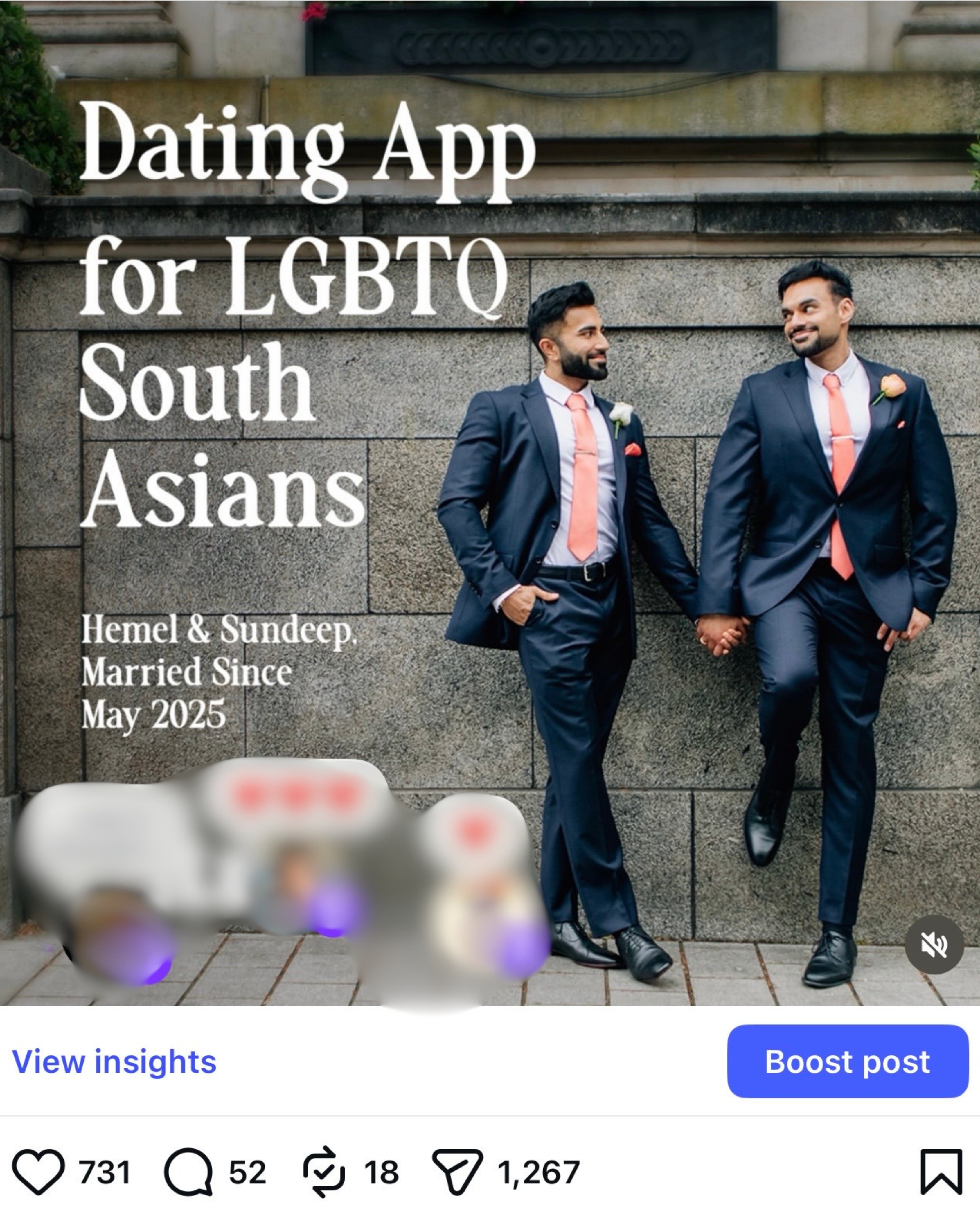
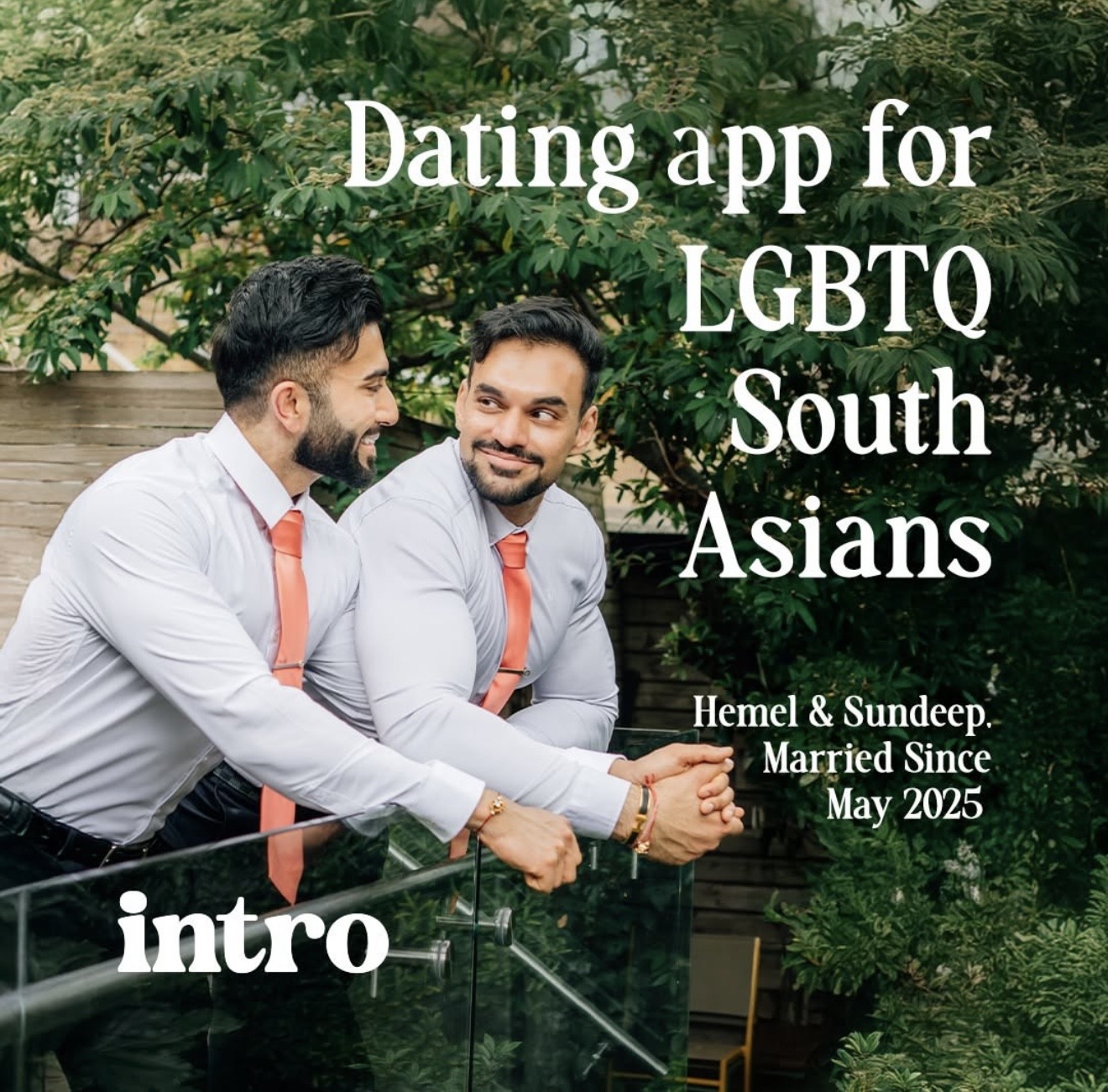
We never pitched Intro on a campaign. In January 2026, their team found photos and video from my husband Sundeep's and my actual wedding — nothing made for a brand — and asked to license it: two photos and a reel cut from our wedding and engagement footage, for organic and paid use. No brief, no shoot, nothing produced to spec. They licensed what already existed.
The organic post ran on Intro's own Instagram, with us tagged, and the sponsored push brought in 3.5K app installs off 130,647 reach and 342,164 impressions. The organic post did its own work too: 731 likes, 52 comments, 18 reposts and 1,267 shares. Intro told us the campaign landed above their average creator benchmark.
Why the second round matters more than the first
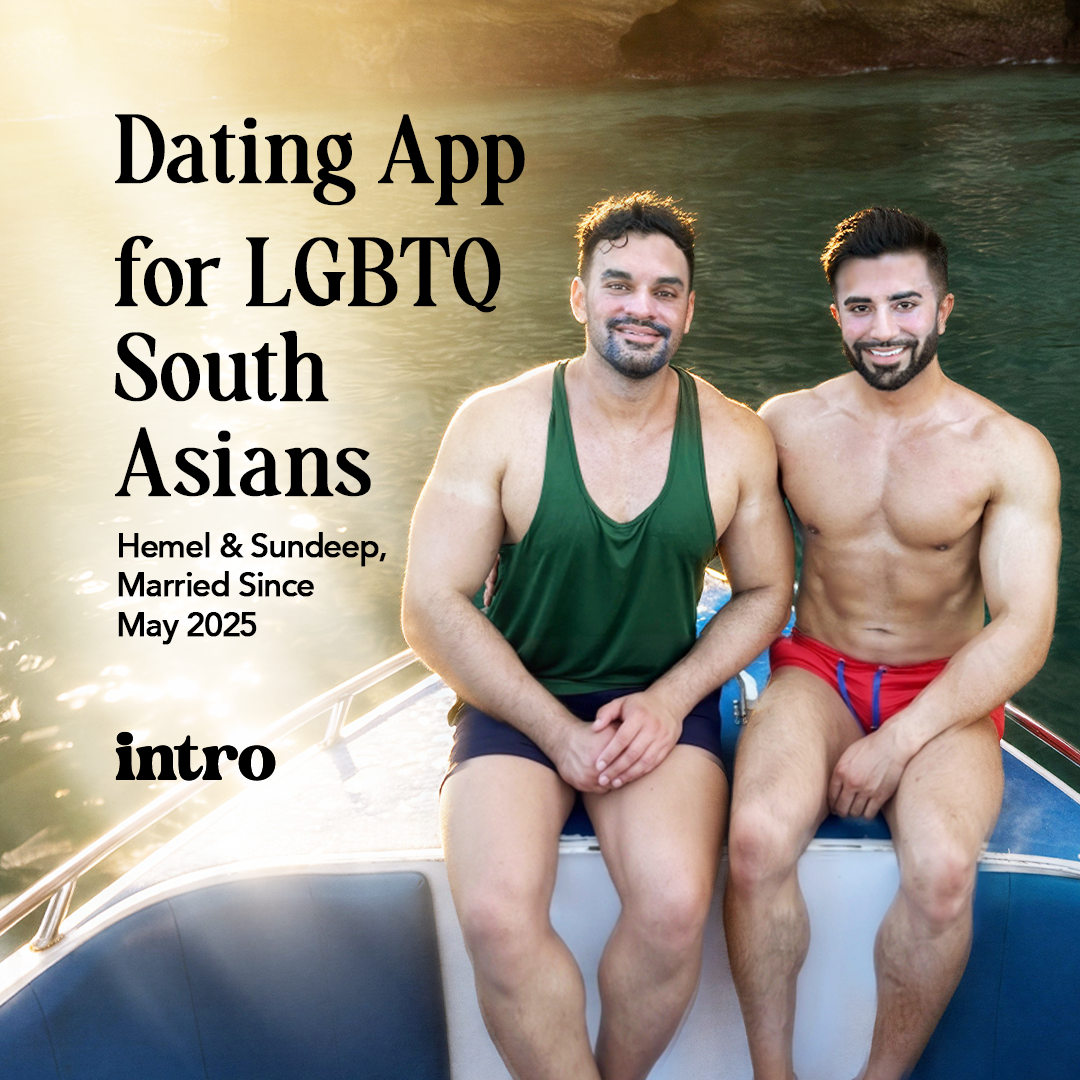
Four months later, without us reaching out, Intro came back — they'd seen a newer reel of us and wanted to license more content the same way. That round covered three photos and a video from a beach trip, again nothing shot for them.
A brand licensing content once could just be a good campaign. A brand coming back on its own, unprompted, four months later, is a different signal — it means the first round held up well enough that they wanted more of the same thing, not a new brief.
What brands can take from it
The useful lesson is not that every campaign should begin with existing content. It is that the creative needs to suit the platform and audience before media spend can help it. Intro licensed a real relationship and a recognisable point of view; the sponsored and organic results then gave the brand evidence that the approach connected with its audience.
For commissioned work, I carry that lesson into the brief: keep the message clear, but leave enough room for the video to feel like something a person would choose to watch in-feed. Explore my UGC work for the portfolio view and verified campaign results.
When licensing makes sense — and when it doesn't
Licensing makes sense when the brand sees something real that already works, and wants to use it quickly without asking me to recreate it for an ad. It's a lower-commitment way to test whether a creator's work fits a brand before committing to anything bigger.
Commissioning still wins when a brand needs something licensing can't give it — a specific message, a product actually shown in use, an exact shot list, or exclusivity terms built in from the start. I don't think this makes commissioning wrong. It just shows why licensing worked so well for this specific Intro campaign.